
TIME TO HEAL, TIME TO PLAN: ACHOM’S CHOICE AFTER TWO DIFFICULT BIRTHS
At 21, Achom Dinah is a mother of two. Her youngest child is about a year old. After two pregnancies that ended in Caesarean sections, she is thinking carefully about when she wants to have another child
For Achom, family planning is no longer just about preventing pregnancy. It is about giving her body time to heal, allowing her children to grow, and making decisions about her family with more information and intention. Her journey to that decision began years earlier, when she was still a schoolgirl.
Achom was 18 and in primary school when she became pregnant with her first child. At the time, she had limited access to sexual and reproductive health information. After becoming pregnant, she left her parents’ home and began living with her partner.
Achom’s first pregnancy was complicated. She developed high blood pressure and was diagnosed with pre-eclampsia. She delivered through a Caesarean section. Two years later, she became pregnant again. Her second child was also delivered through a Caesarean section because of the previous scar.
By 21, Achom had gone through two pregnancies and two operations. The experiences made her start thinking about her health and giving herself more time before another pregnancy. On 15 September 2026, Achom attended an outreach at St. Luke Church of Uganda in Amuen Village, Kolir Sub-county, Budaka District.
The 2-day outreach was conducted under the Inclusive and Equitable Health Care Services (IEHS) Project, funded by German Doctors and implemented by the Uganda Youth and Adolescents Health Forum (UYAHF). The project brings essential health information and services closer to communities, including family planning, antenatal and postnatal care, immunisation, laboratory services, medical consultations, and ultrasound services.
During this outreach period, 10 mothers were reached with family planning information and 7 women accessed contraceptives through IEHS-supported outreaches in Bukedea.
At the outreach, Achom attended a health education session that covered family planning. For her, it came at an important time.
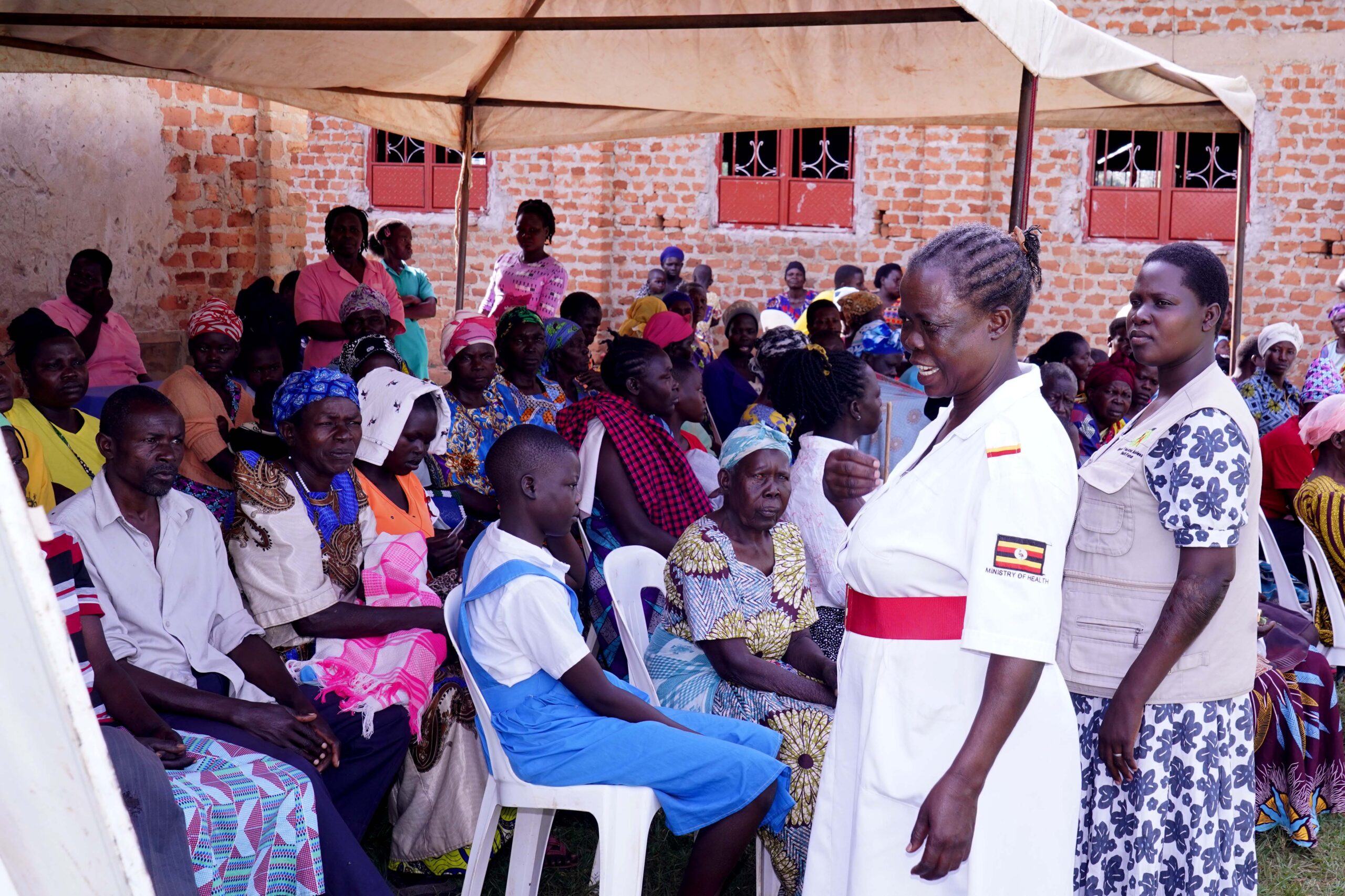 She had already been thinking about spacing her children and letting her body recover, but the information helped her understand her options. She then received individual family planning counselling from Aguto Helen, a midwife from Kolir Health Centre III.
“I think the three-year implant will give me enough time for my body to heal and for my child to grow,” Achom said.
After counselling, Achom chose Implanon NXT, a three-year contraceptive implant inserted under the skin of the upper arm. She was then linked to Kolir Health Centre III for follow-up, including support should she have any concerns and for eventual removal or replacement.
For Achom, family planning means more than deciding whether to have another child.
“For me, family planning means planning better for my children and giving birth when I really want to, not just giving birth for the sake of it.”
She had already been thinking about spacing her children and letting her body recover, but the information helped her understand her options. She then received individual family planning counselling from Aguto Helen, a midwife from Kolir Health Centre III.
“I think the three-year implant will give me enough time for my body to heal and for my child to grow,” Achom said.
After counselling, Achom chose Implanon NXT, a three-year contraceptive implant inserted under the skin of the upper arm. She was then linked to Kolir Health Centre III for follow-up, including support should she have any concerns and for eventual removal or replacement.
For Achom, family planning means more than deciding whether to have another child.
“For me, family planning means planning better for my children and giving birth when I really want to, not just giving birth for the sake of it.”
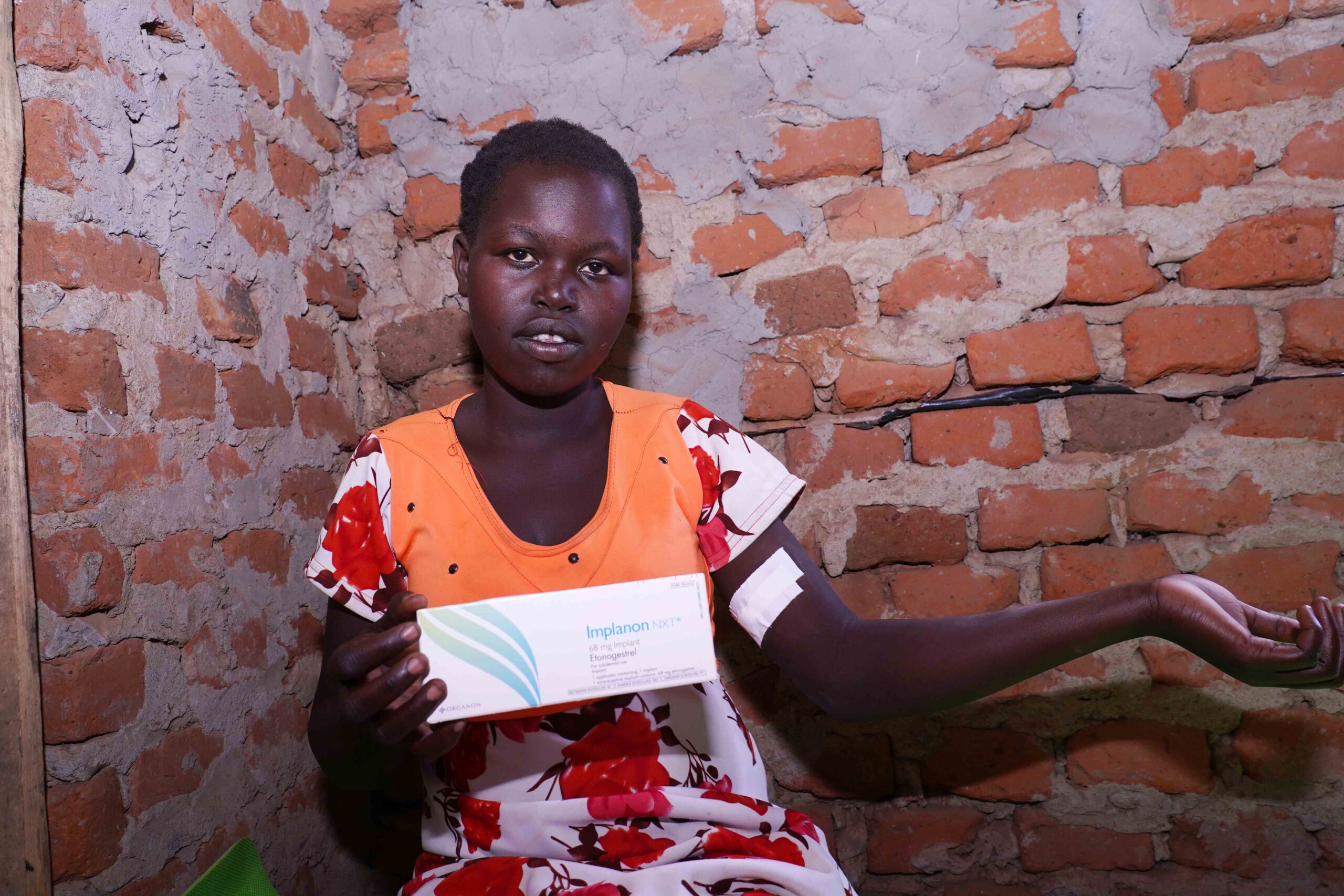 For Aguto, Achom’s experience shows why family planning information needs to reach women where they are
“Giving mothers information about family planning helps them make informed choices. Some mothers want to use these methods, but because they do not have enough information, they may shy away from them,” Aguto said.
Today, Achom is a stay-at-home mother who also farms to help provide food for her family. She hopes to space her children so she can plan better for their needs.
Education is particularly important to her. She wants her children to receive the education she was unable to continue, and hopes this will give them a better future.
Achom does not want to keep what she has learnt to herself.
“I want the young mothers to know about family planning and the services that are available to them. If they need these services, they should not be afraid to seek them.”
As we mark World Contraception Day on 26 September, Achom’s story is a reminder that when young mothers have access to accurate information, counselling, and services within their communities, they can make informed choices about their health and their future
The outreach did not erase the challenges she has experienced. But it gave her information at a moment when she needed it. It allowed her to choose.
And for Achom, that choice means time to heal, time for her child to grow, and time to plan the future she wants for her family.
For Aguto, Achom’s experience shows why family planning information needs to reach women where they are
“Giving mothers information about family planning helps them make informed choices. Some mothers want to use these methods, but because they do not have enough information, they may shy away from them,” Aguto said.
Today, Achom is a stay-at-home mother who also farms to help provide food for her family. She hopes to space her children so she can plan better for their needs.
Education is particularly important to her. She wants her children to receive the education she was unable to continue, and hopes this will give them a better future.
Achom does not want to keep what she has learnt to herself.
“I want the young mothers to know about family planning and the services that are available to them. If they need these services, they should not be afraid to seek them.”
As we mark World Contraception Day on 26 September, Achom’s story is a reminder that when young mothers have access to accurate information, counselling, and services within their communities, they can make informed choices about their health and their future
The outreach did not erase the challenges she has experienced. But it gave her information at a moment when she needed it. It allowed her to choose.
And for Achom, that choice means time to heal, time for her child to grow, and time to plan the future she wants for her family.
She had already been thinking about spacing her children and letting her body recover, but the information helped her understand her options. She then received individual family planning counselling from Aguto Helen, a midwife from Kolir Health Centre III.
“I think the three-year implant will give me enough time for my body to heal and for my child to grow,” Achom said.
After counselling, Achom chose Implanon NXT, a three-year contraceptive implant inserted under the skin of the upper arm. She was then linked to Kolir Health Centre III for follow-up, including support should she have any concerns and for eventual removal or replacement.
For Achom, family planning means more than deciding whether to have another child.
“For me, family planning means planning better for my children and giving birth when I really want to, not just giving birth for the sake of it.”
For Aguto, Achom’s experience shows why family planning information needs to reach women where they are
“Giving mothers information about family planning helps them make informed choices. Some mothers want to use these methods, but because they do not have enough information, they may shy away from them,” Aguto said.
Today, Achom is a stay-at-home mother who also farms to help provide food for her family. She hopes to space her children so she can plan better for their needs.
Education is particularly important to her. She wants her children to receive the education she was unable to continue, and hopes this will give them a better future.
Achom does not want to keep what she has learnt to herself.
“I want the young mothers to know about family planning and the services that are available to them. If they need these services, they should not be afraid to seek them.”
As we mark World Contraception Day on 26 September, Achom’s story is a reminder that when young mothers have access to accurate information, counselling, and services within their communities, they can make informed choices about their health and their future
The outreach did not erase the challenges she has experienced. But it gave her information at a moment when she needed it. It allowed her to choose.
And for Achom, that choice means time to heal, time for her child to grow, and time to plan the future she wants for her family. 