
One Household at a Time: How Faith Is Bringing Healthcare Closer to Kaderuna
In Kaderuna II, Kaderuna Sub-County, Budaka District, poor sanitation, unsafe water practices, and limited healthcare access continue to put families at risk of preventable illnesses. Some households have no pit latrines, and some residents use swamp water even though government-provided boreholes are available. At times, people and animals use the same water sources, increasing the risk of illnesses such as diarrhoea. For 40-year-old Namutosi Faith, a Village Health Team (VHT) member, these issues have been a concern for many years. After seeing how they affect families and neighbours, she wanted to help community members adopt healthier practices and make informed decisions about their health. Today, she supports the community response by visiting around three households each week to share health information, provide basic care at the community level, and refer people who need further medical attention to health facilities.
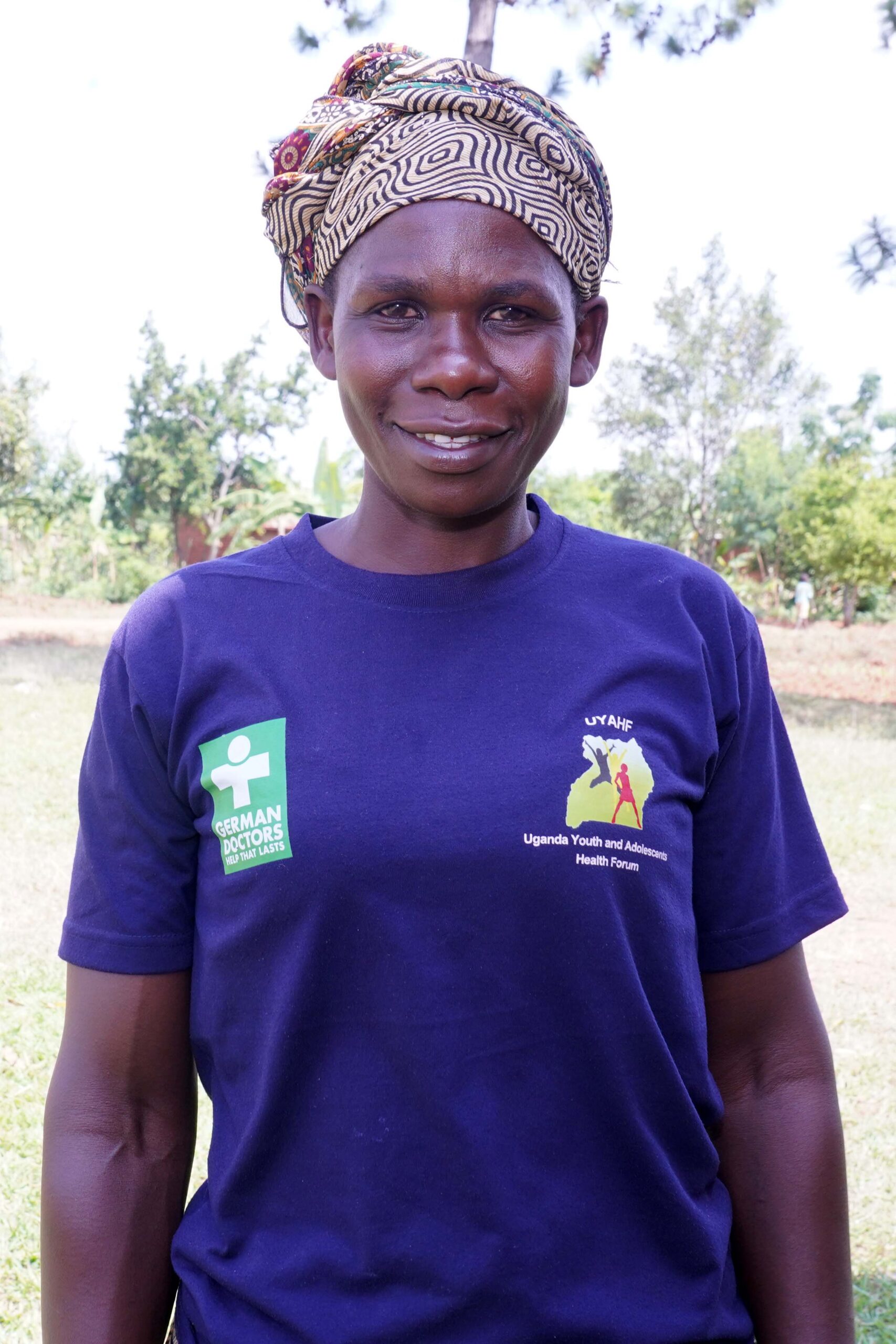
When the Inclusive and Equitable Health Services (IEHS) Project selected VHTs for additional support, Faith met the eligibility criteria: at least five years of voluntary VHT service, an established connection with a health facility, and knowledge of essential community health duties, including ICCM, immunisation, and malaria testing. Faith’s community health work began well before the IEHS Project. When she joined the programme in June 2025, she had already served as a VHT supporting Kebula Health Centre III for about ten years. During that time, she had developed experience in first aid for accident victims, Integrated Community Case Management (ICCM), immunisation, malaria rapid diagnostic testing, community health education, and other responsibilities. She understood many of the health challenges facing households and had experience helping deliver basic health services. However, she required further support to deepen her knowledge and strengthen her existing work.
With funding from German Doctors, the project supports 50 VHTs across Mbale, Bukedea, Budaka and Butebo districts. Through different VHT orientations conducted, participants strengthened their knowledge and skills in areas including ICCM, Emergency Triage Assessment and Treatment (ETAT), pneumonia management, and non-communicable diseases (NCDs).
For Faith, this support built on the experience she had gained over the years, strengthening her ability to identify health concerns, provide appropriate community-level care, and connect residents to health facilities when further attention is needed. With the additional knowledge and skills, Faith continues to visit households and encourage families to adopt healthier practices. She advises residents to collect water from safer sources, clear bushes around their homes, sleep under mosquito nets, and construct and use pit latrines. These conversations help families understand how everyday choices can reduce exposure to common illnesses and contribute to healthier living environments.
Through the project, Faith received a blood pressure monitor to screen community members and identify those with elevated readings who may require further assessment. She refers people needing additional care to health facilities, particularly Kebula Health Centre III, for appropriate evaluation and management. From April to September 2026, Faith conducted 36 household visits in Kaderuna Sub-county, reaching 41 community members—28 females and 13 males. She addressed malaria with 27 people, including 18 females and nine males. She also spoke with seven people about hypertension and with another seven about the importance of seeking healthcare when needed. As a result of these visits, she referred 13 community members to Kebula Health Centre III for further medical attention.
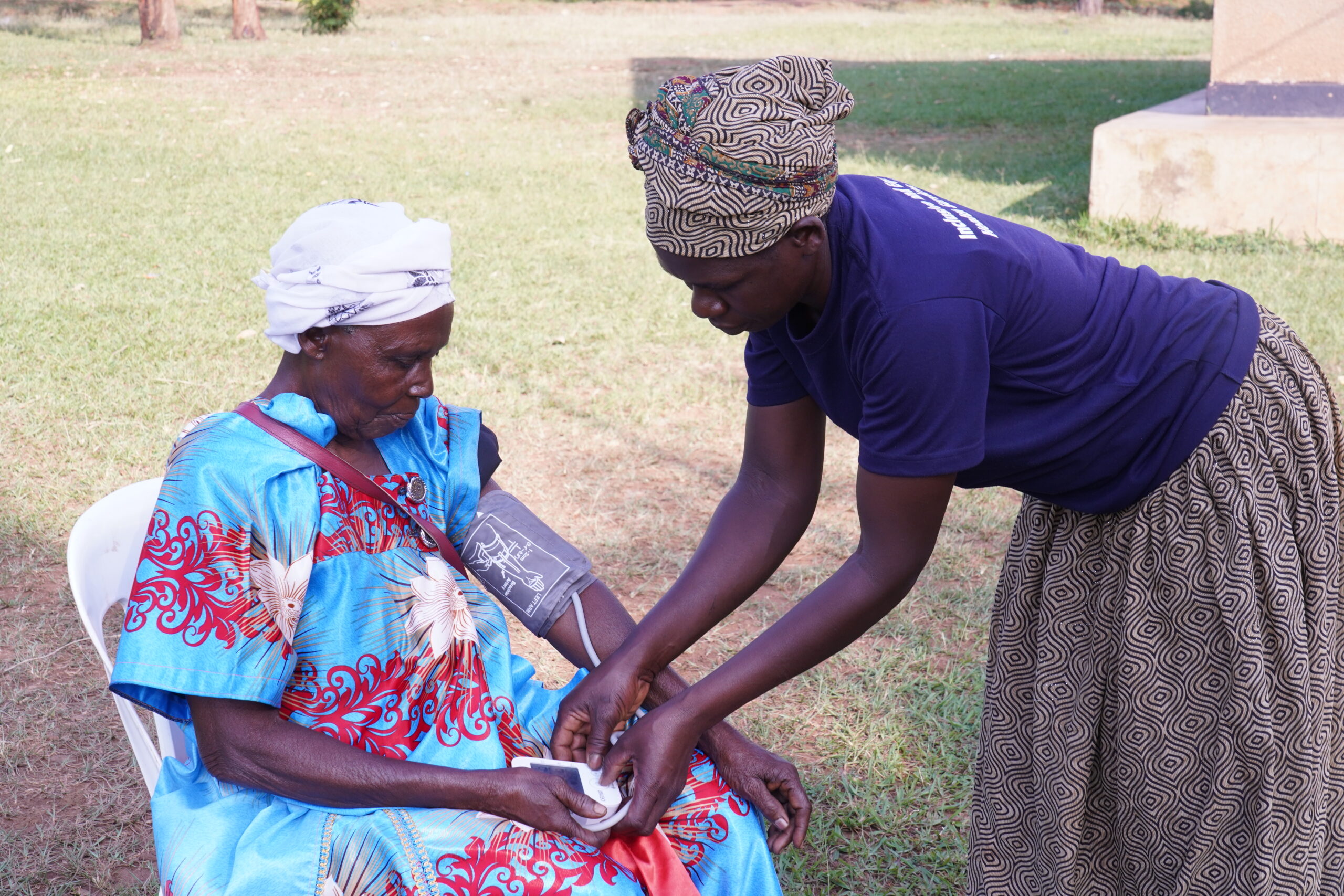
These visits allow Faith to share health information directly with families, discuss concerns that affect their well-being, and help people who need additional care reach the health facility. Her community health responsibilities also include conducting malaria rapid diagnostic tests (RDTs) to identify suspected cases. In line with established guidelines, she can provide Coartem to patients who are eligible for treatment following testing. She also administers deworming medication and supports the management of common childhood illnesses through ICCM. When a person’s condition requires care beyond what can be provided at the community level, she refers them to a health facility.
Through these responsibilities, Faith serves as an important link between households and the formal health system. Despite the work of VHTs, accessing healthcare remains difficult for some residents, particularly those who live far from health facilities. Long distances, transport costs, and lengthy waiting queues can discourage people, especially adolescents and young people, from seeking timely medical attention. For those who need specialised services, these challenges can make accessing appropriate care even more difficult, and Faith raised these concerns during the project feedback session.
To address these barriers, the IEHS Project has delivered three integrated community health outreaches in Kaderuna since Faith joined the programme. The latest was held on 4 and 5 November 2026 in Kaderuna sub-county, Budaka district. These outreaches enable community members to access a range of services, including consultations with doctors, antenatal care, immunisation, laboratory testing for malaria, HIV and sexually transmitted infections (STIs), counselling, ultrasound scans, health education, and family planning. Community health workers such as Faith also play a vital role in mobilising residents, particularly those who may find it difficult to reach health facilities—and encouraging them to use the services available. During the two-day outreach, health workers recorded 183 outpatient department (OPD) contacts: 141 females and 42 males. Residents sought care for a range of concerns, including upper respiratory tract infections, abdominal conditions, urinary tract and kidney diseases, non-infectious skin conditions, hypertension, and malaria. The variety of conditions treated highlights the diverse health needs in the community and the importance of access to healthcare at every stage of life. For residents who face difficulties travelling to health facilities, having health professionals and services closer to home offers an important opportunity to seek care.
For Faith, the November outreach was not only an opportunity to mobilise others to seek healthcare, but it was also a chance to seek medical attention for herself. For about two months, she had been experiencing persistent back and lower abdominal pain. She had previously visited Kebula Health Centre III, where she was told she had ulcers and prescribed omeprazole. She was taking the medication and preparing to return to the facility for a review when the community outreach was organised.
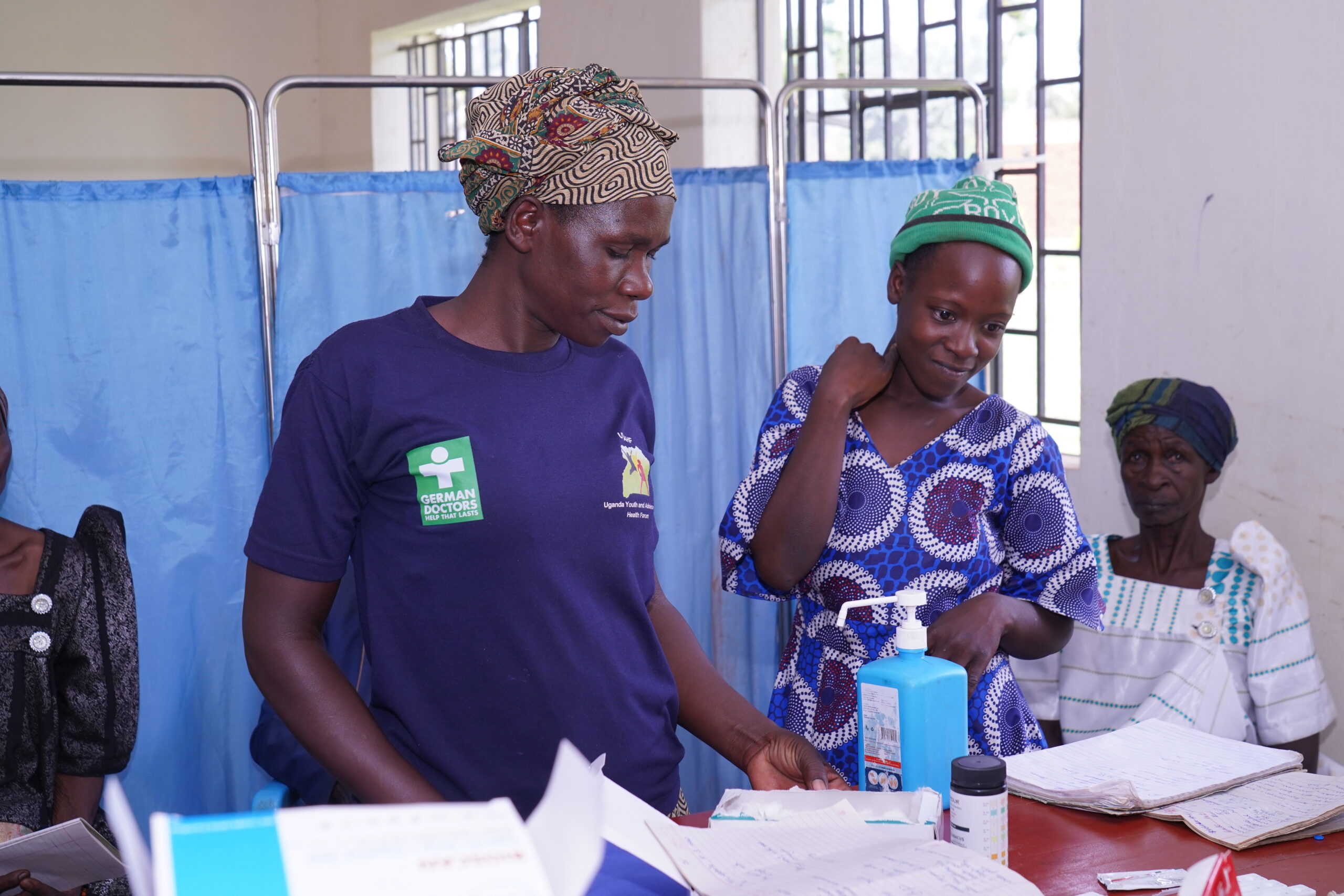
Having spent time encouraging residents to attend, Faith decided to use the opportunity to seek further medical attention for herself. “Today, I am also seeking care at the outreach. For two months, I have been experiencing a lot of back pain and lower abdominal pain. At Kebula Health Centre III, they told me I had ulcers and gave me medication, but now I have come for more specialised care,” she said.
Following her consultation, Faith received a refill of her omeprazole medication and says she is feeling much better. She is continuing to take the medication as instructed and plans to return to Kebula Health Centre III on 9 November for a further review. Faith returned to Kebula Health Centre III on 10 November 2026 for her scheduled review. After assessing her, the facility advised her to return in 14 days for a further review. Faith says she now feels completely fine, a welcome improvement after experiencing the pain for about two months. She will return to the facility as advised, continuing her follow-up.
Faith’s experience highlights the vital role VHTs play in connecting households with health information and essential services. Through regular home visits, health education, screening, basic community-level care, and referrals, they help residents identify health concerns and understand when to seek further medical attention. The IEHS Project builds on this work by strengthening community health volunteers’ knowledge and skills and supporting outreach activities that complement services at health facilities. Yet improving community health involves more than occasionally bringing services closer to people. It also requires sustained engagement with households, effective referral pathways, and health facilities where people can receive further assessment and continuing care.
For Faith, the work continues one household at a time. Her experience at the November outreach serves as a reminder that VHTs are also part of the communities they support. Like the people they serve, they need timely, appropriate, and quality healthcare. With support from UYAHF and German Doctors, Faith’s years of community health experience are being further strengthened, enabling her to connect more families in Kaderuna with health information, basic services, and appropriate care.
