From Family Planning Fears to Shared Decisions: Margaret’s Journey with the Young Mothers Forum.
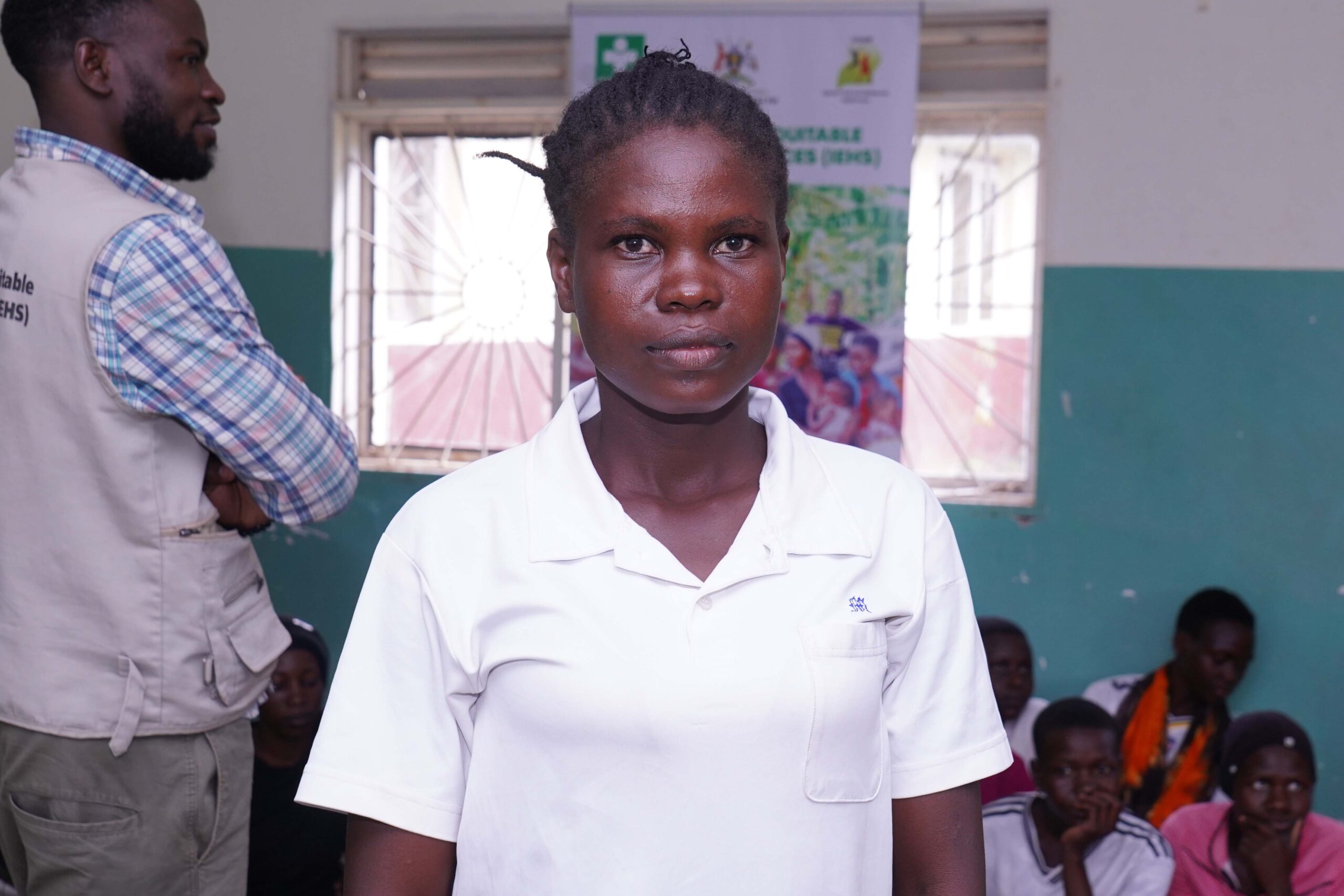
Before joining the Young Mothers Forum in February 2026, Nassolo Margaret, an 18-year-old from Katika village, Kanginima Town Council, Butebo District, had little knowledge of family planning, saving money, or how to better manage the demands of raising a child. With a two-year-old to take care of, she was learning the responsibilities of motherhood while navigating decisions that would shape her family’s future.
One of the biggest challenges was the limited knowledge she had about family planning. Margaret wanted to space her children, but her partner did not support her use of contraception because of the various myths shared within their community. He believed that a woman using family planning might become unfaithful because she could have sex and not become pregnant. He also feared that taking up a family planning method could affect her ability to have children in the future.
For Margaret, this meant that making an informed decision about when to have another child was not straightforward. She needed reliable information and a way to discuss her concerns with her partner.
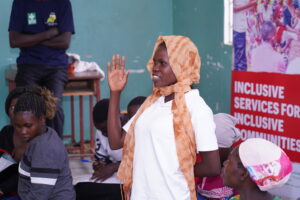
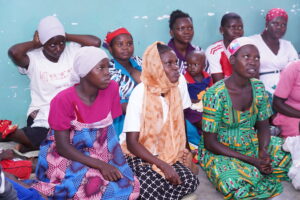
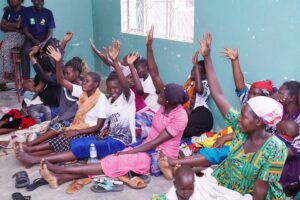
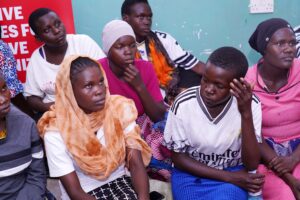
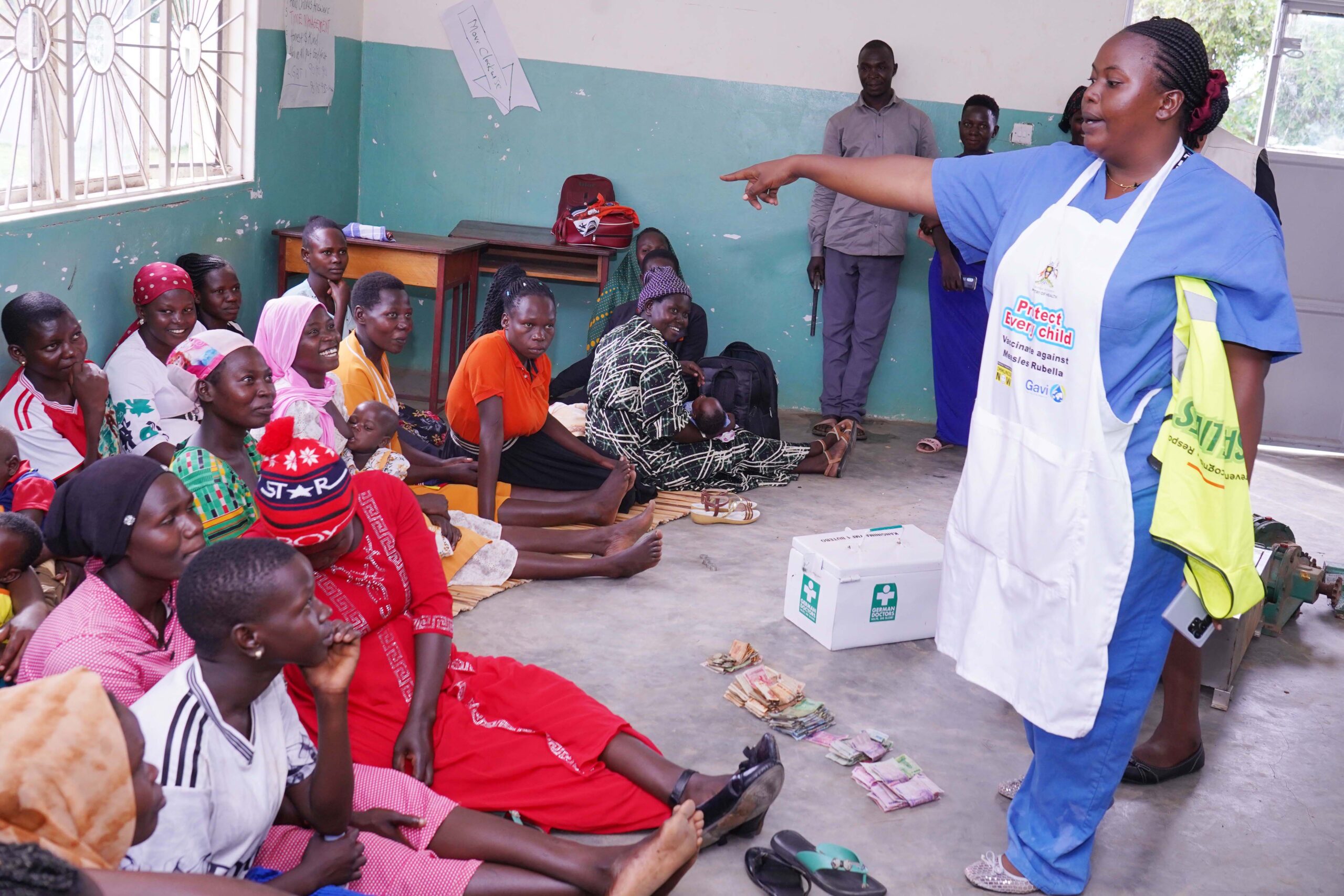
When Margaret joined the Young Mothers Forum, she found an opportunity to learn from other young mothers and receive guidance on issues affecting her health and family from health workers who shared the basic principles of safe motherhood.
The forums provide a space for young mothers and fathers to share experiences, receive mentorship, and learn about the six pillars of safe motherhood: family planning, antenatal care, obstetric and newborn care, postnatal care, post-abortion care, and sexual and reproductive health and rights (SRHR).
For Margaret, the discussions on family planning were particularly important as this was an issue that was giving them sleepless nights. She learnt that several family planning methods can help individuals and couples plan the timing and spacing of pregnancies. Child spacing, such as waiting at least 24 to 36 months (2 to 3 years) between pregnancies, protects the health of mothers and children, which improves the wellbeing of the family and income.
The lessons challenged some of the misconceptions surrounding contraception and helped Margaret understand that family planning was not simply about preventing pregnancy. It is also about making informed decisions about when to have children, how many children couples should have, considering the health of the mother, and planning for the needs of the family.
The forum sessions also introduced her to economic empowerment and the importance of saving. Before joining, Margaret had little knowledge of savings groups or how regular saving could help her prepare for household needs. Through the forum’s financial empowerment component, she joined the Kanginima Young Mothers Forum savings group, allowing her to begin building a saving and investment habit alongside other young mothers.
About three months after joining the forum, Margaret’s partner became curious about what she was learning.
He asked her, “What do you people really learn in those Young Mothers forums?”
Margaret explained the topics covered during the sessions, including family planning, child health, maternal health, antenatal care, nutrition and saving. She also shared what she had learnt about the importance of child spacing and allowing time for the mother’s body to recover between pregnancies.
She used the conversation to explain why she wanted her partner to consider her decision to use Depo-Provera, a three-month injectable contraceptive. Rather than keeping the lessons to herself, she shared what she had learned and brought family planning information into a discussion about a decision that affected both of them.
Her partner initially remained opposed to contraception because he was concerned about infidelity and possible effects on future fertility. However, as Margaret explained what she had learnt, he eventually agreed to support her decision to use a contraceptive method of her choice.
For Margaret, this was the start of her partner’s transformation journey; she now had the opportunity to make an informed decision around her body. Knowledge gained through the forum had helped her explain her concerns and engage her partner in a discussion about their family’s future.
After discussing her options with a health worker at Kanginima Hospital, Margaret chose Depo-Provera, a three-month injectable contraceptive.
“Since I started using Depo-Provera, I have not experienced any side effects so far. I plan to continue using it until we are ready to have another child, hopefully around 2028.” Says Margaret
Her experience illustrates the importance of access to accurate information and health workers who can explain available contraceptive options. Family planning decisions are personal, and women should be able to choose a suitable method based on informed counselling and their individual needs.
These changes reflect the forum’s broader purpose: to support young mothers and fathers with practical knowledge, peer mentorship and financial skills that can help them care for their families and make informed decisions.
Her journey also highlights the influence of misconceptions on family planning decisions. When fears about infidelity or future fertility go unchallenged, they can make it harder for women to access contraception, even when they want to space their children. Creating opportunities for open conversations, involving partners constructively, and providing accurate health information can help address these barriers while respecting women’s choices.
Through the Inclusive and Equitable Health Care Services (IEHS) project, funded by German Doctors, the Uganda Youth and Adolescent Health Forum (UYAHF) supports the formation of Young Mothers’ and Fathers’ Forums as safe spaces for health education, mentorship, peer support, and financial empowerment.
For Margaret, joining the forum has helped turn information into action. She is now using a contraceptive method of her choice, has started saving with other young mothers, and has discussed her plans for another child with her partner.
Her story shows how a safe space to learn and share experiences can help a young mother build confidence, challenge misconceptions, and take practical steps towards the future she wants for herself and her family.