
A Hidden Pregnancy, a New Reality, and a Dream of Returning to School.
Lydia (not real name), a 15-year-old girl and a Primary Six pupil living with her guardian in Bubulanga B, Kamonkoli Town Council, Budaka District, had big dreams of finishing her education and joining the military. Like some adolescents in her community, she started having a sexual relationship with a 19-year-old boy who attended a nearby school. Because she lacked proper knowledge about sexual and reproductive health, she was not adequately equipped to make informed choices about protecting herself from an unwanted pregnancy. Budaka District, located in the Bukedi sub-region, faces high rates of adolescent childbearing driven by systemic economic and social factors. According to the local surveillance and health reports place the teenage pregnancy rate in Budaka at approximately 22% to 25.8%, mirroring or slightly exceeding the national average of 25%.
As time passed, she began experiencing morning sickness, vomiting, and severe back pain. Her guardian also noticed changes in her behaviour. Lydia was gaining weight, often wore a cardigan or sweater, and had become increasingly withdrawn and irritable. Concerned about her well-being, her guardian took her to school to speak with the senior woman teacher. Their visit coincided with a routine check-up conducted when pupils return to school. During the check-up, the senior woman teacher administered an HCG pregnancy test, which confirmed that Lydia was pregnant. The senior woman offered a counselling session to her and encouraged her to stay in school because many times teenage mothers end up dropping out of school once they learn about their pregnancies. After the session, the issue was shared with the headteacher, who was very supportive and encouraged her to continue coming to school.
Although the headteacher advised her to keep coming to school, Lydia experienced stigma from her peers and members of her community. School became a more difficult environment to navigate, and her guardian eventually advised her to stay home and return to school at the time of her final third-term examinations. The impact extended beyond missed classes. Lydia was facing an uncertain pregnancy while trying to hold on to her dream of completing school. Instead of finding understanding and support, she had to contend with the stigma surrounding her situation. Her family also sought intervention from the boy Lydia identified as responsible for the pregnancy. However, the situation remained unresolved, leaving Lydia and her guardian to navigate the pregnancy and prepare for what lay ahead.
Although the pregnancy had been confirmed, they did not know how far along it was or what care Lydia needed as childbirth approached. In the quest for knowledge about how best they could navigate their situation, mobilisers shared information on a scheduled community health outreach organised by the Uganda Youth and Adolescents Health Forum. On 7 October 2026, Lydia attended a community health outreach accompanied by her guardian. The outreach was conducted under the Inclusive and Equitable Health Services (IEHS) project, implemented by the Uganda Youth and Adolescent Health Forum (UYAHF) with funding from German Doctors.
Lydia was eager to receive information, take up services, and to interact with the various health workers. During the interaction, she was informed that she had to undergo an ultrasound scan to ascertain the stage of her pregnancy. She accepted, and the scan revealed that she was approximately 35 weeks pregnant, providing her and her guardian with important information as she approached childbirth.
Dr. Rossi Neihus, a volunteer German gynaecologist supporting the outreach, counselled Lydia on her pregnancy and the importance of seeking appropriate care. She was referred to Kamonkoli Health Centre III for antenatal care and follow-up. For Lydia and her guardian, the outreach provided an opportunity to understand the importance of timely ANC, the likely challenges experienced by teenage mothers during pregnancy, and to take an initial step towards accessing the care she needs. To ensure that the referral is complete, UYAHF staff followed up with Lydia and ensured she receives counselling as she prepares for delivery.
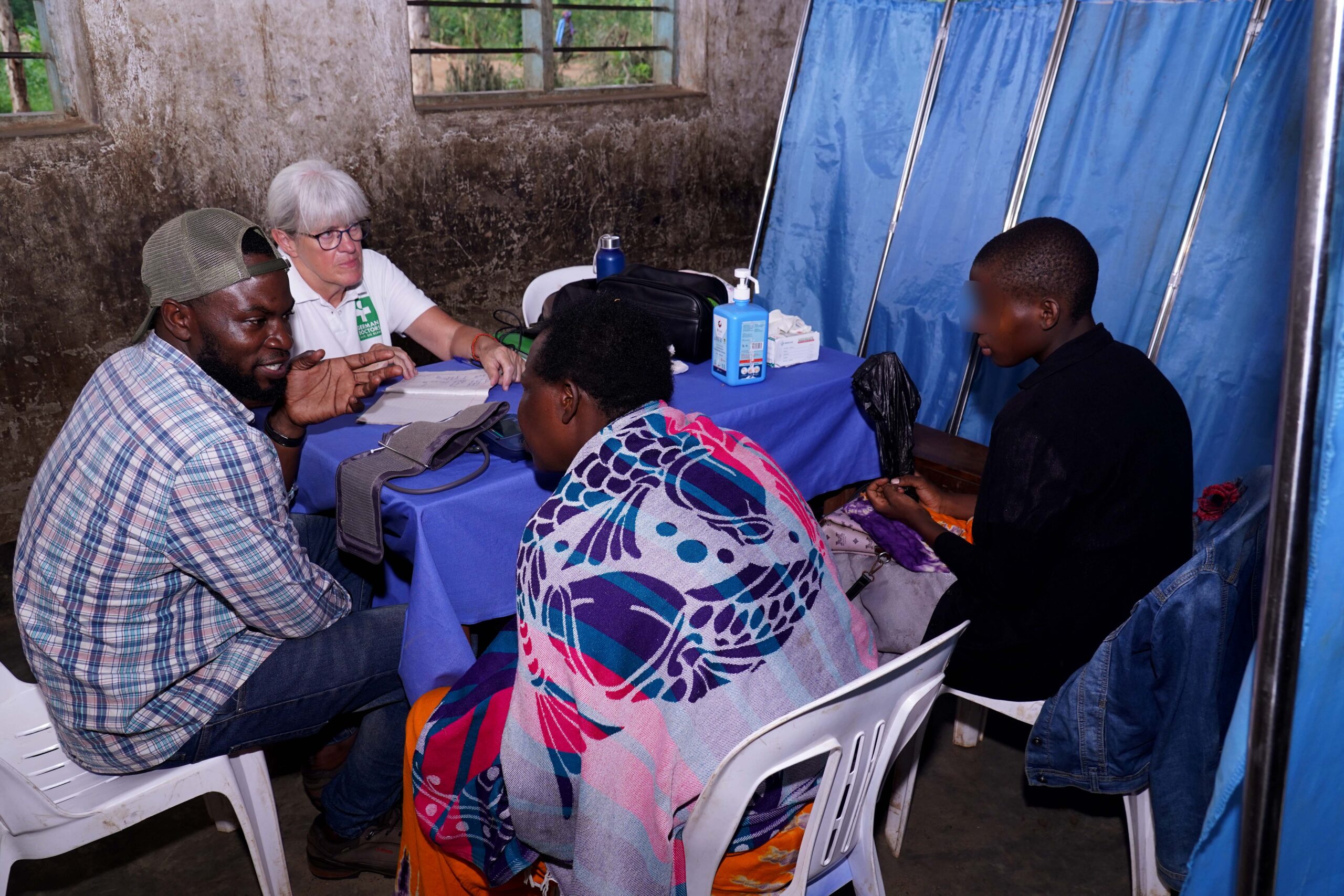
Dr. Rossi Neihus counselling Lydia and her guardian during the community health outreach.
Despite the stigma and disruption to her education, Lydia has not abandoned her dream. She hopes to return to school after delivery, complete her education and pursue a career in the military.
“The best support to offer teenage mothers is having a supportive community, and I am glad to be surrounded by one. My guardian is committed to supporting me through childbirth and resuming my education.” Lydia
Her guardian has played an important role in seeking help, accompanying her to the outreach, and committing to support her through childbirth and helping her get back to school. Lydia recognises how much this support matters during a difficult period in her life. Lydia’s experience highlights why adolescent girls need more than access to medical services. They need accurate, age-appropriate sexual and reproductive health information, trusted adults they can approach with questions, and schools and communities where they can seek help without fear of humiliation or exclusion. Her story also exposes the consequences of stigma. When teenage pregnancy becomes a reason for shame or isolation, an adolescent may struggle to seek timely support and remain engaged in education. Families, schools, health workers and communities all have a role to play in ensuring that pregnant adolescents are treated with dignity and connected to the care and support they need.
Bringing integrated health services closer to communities through outreach activities is one of the avenues utilised to improve health-seeking behaviour and ensure access to care. Lydia’s experience demonstrates the value of these services while underscoring the importance of following up on referrals to ensure that recommended care is accessed. For Lydia, the outreach was an important first step. Continued support from her family, health workers, and community will be crucial as she prepares for delivery and works towards returning to school. Her pregnancy has changed her immediate circumstances, but her hopes for education and a future of her own remain.
