
Beyond Awareness: What Will It Take to End Child Marriage and Keep Girls in School?
Every year on October 11th, the world commemorates the International Day of the Girl Child. We share social media posts, paint our feeds purple, and speak passionately about empowering young women. But awareness alone won’t pay school fees, buy sanitary supplies, or shield a young girl from an early marriage. To create lasting, sustainable change, we must move past symbolic gestures and focus on genuine collaboration over competition. Ending child marriage and keeping girls in school isn’t a race for organizational credit; it requires every sector of society to pull together for a shared cause.
Child marriage and school dropouts are active crises that limit girls’ potential daily. Globally, 12 million girls are married before turning 18; that is nearly 33,000 girls every single day [Plan International]. Here in our motherland, the Uganda Demographic and Health Survey (UDHS) 2022 reports that 1 in 4 girls aged 15–19 is either pregnant or has already given birth to her first child [Pathfinder]. These numbers represent real lives, and dreams cut short before they even begin.
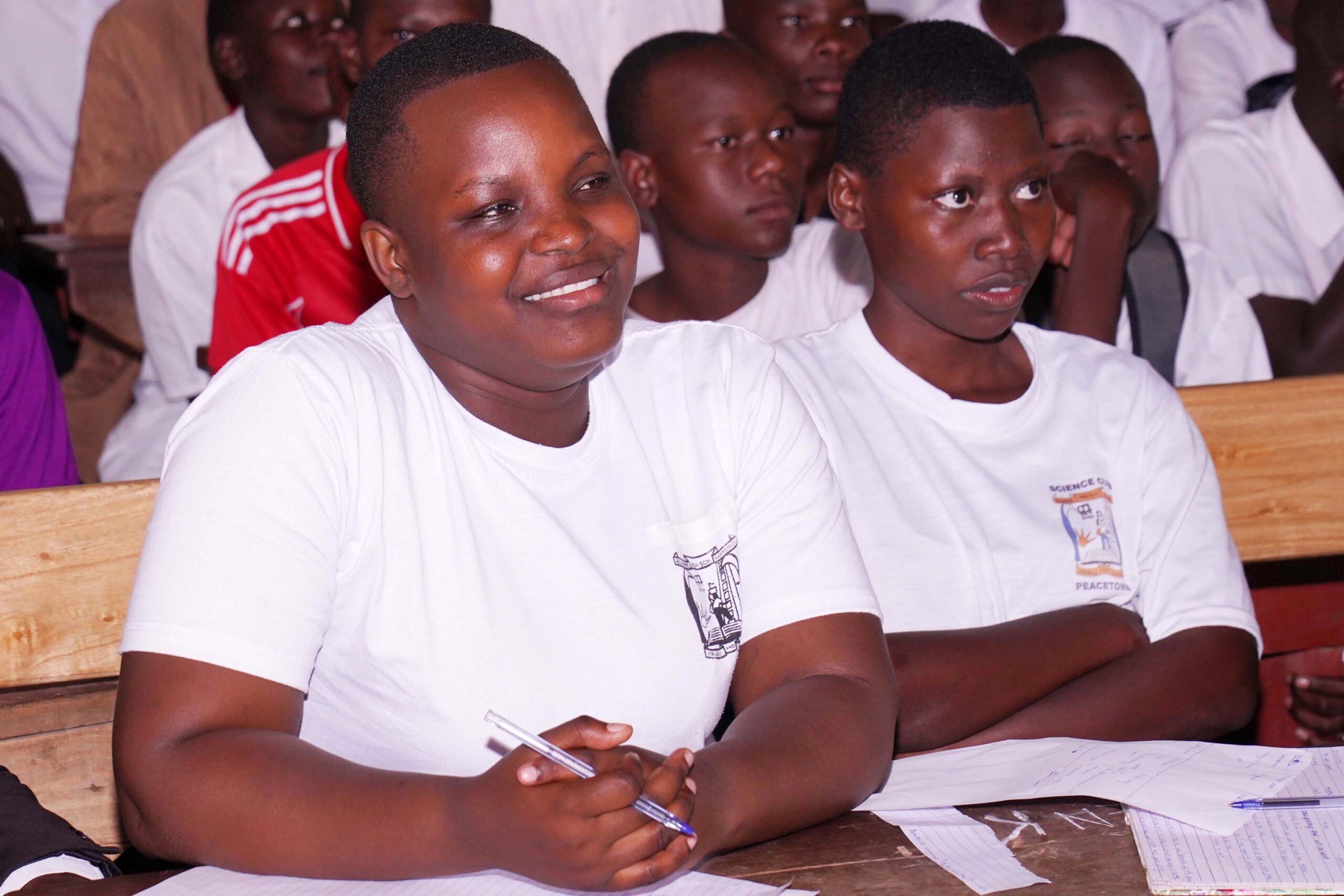
No single organization or individual can solve this alone. We must drop isolated agendas and combine our strengths across every level of the community. Cultural and religious leaders, as guardians of community values, carry unmatched weight. When traditional and faith leaders denounce early marriage as a human rights violation rather than a custom, entire communities listen and adapt. At the same time, teachers who foster safe, protective, and gender-responsive school environments equipped with proper menstrual hygiene facilities ensure that girls stay enrolled, supported, and protected from dropping out.
We must also work directly with families so that financial survival or greed for bride wealth never dictates a girl’s future. Educated daughters bring long-term, sustainable prosperity to their families, not just short-term relief. Furthermore, while girls are the primary architects of their own destinies, they cannot carry this weight alone. Engaging men and boys as meaningful, active allies is critical to dismantling the harmful gender stereotypes that sustain these structural inequities.
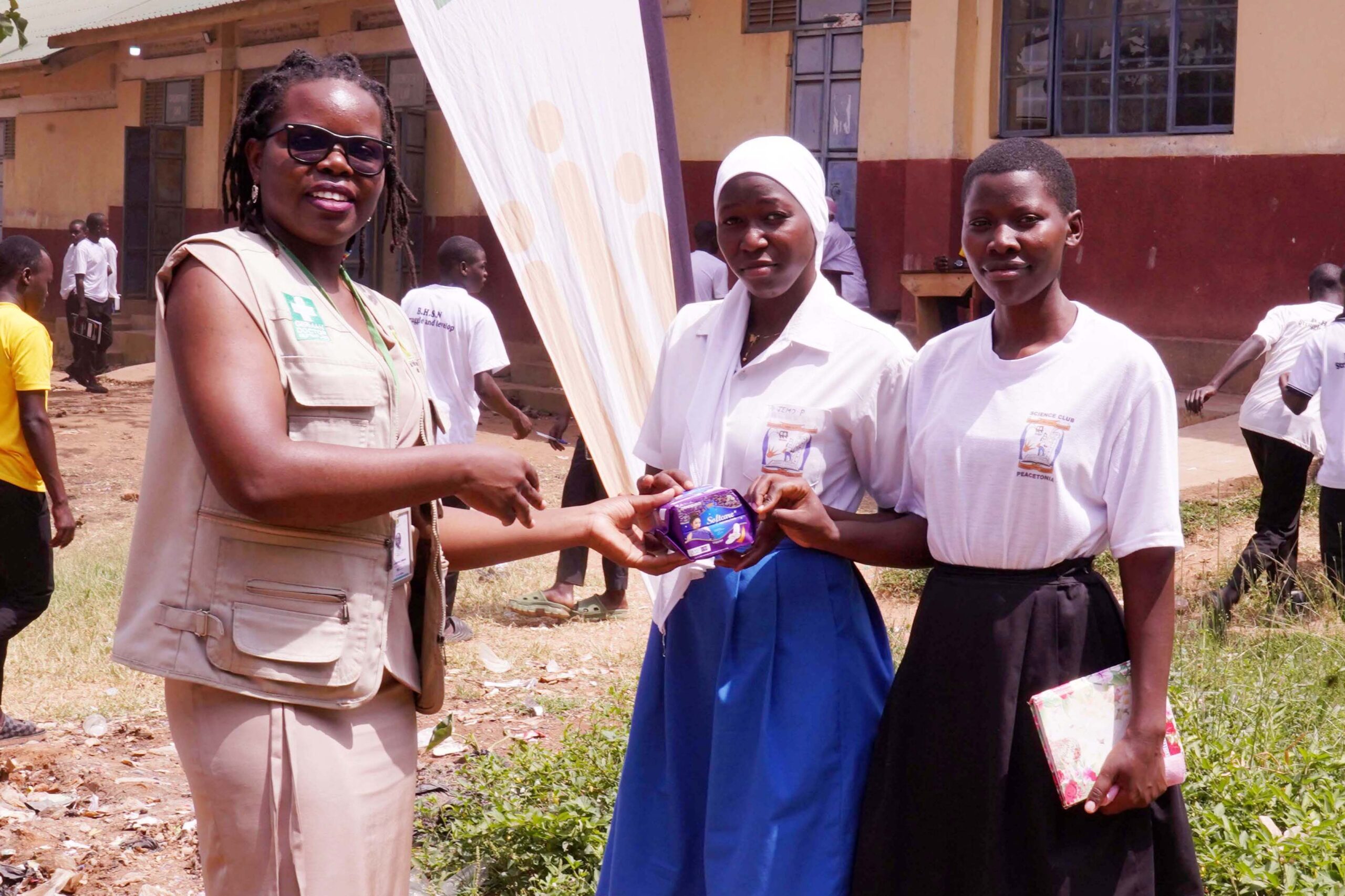
Real change requires practical, daily commitments and the strict enforcement of policies that safeguard children. As an individual, you can sponsor school fees, buy hygiene kits, or mentor a young girl in your neighbourhood. Teachers can set up confidential guidance channels to identify at-risk students early. Local leaders must enforce bylaws that punish perpetrators of forced marriage. Meanwhile, civil society organizations and the private sector need to pool resources, tools, and platforms instead of competing for limited funding.
At Uganda Youth and Adolescent Health Forum, we firmly believe that together, we can. This International Day of the Girl Child, we call on you to join hands with us. Let’s move beyond talk, engage our young people meaningfully, align with traditional leaders, and build a world where every girl stays in school and determines her own future.
Author: Joyce Nakato, Team Lead, Uganda Youth and Adolescent Health Forum.
