
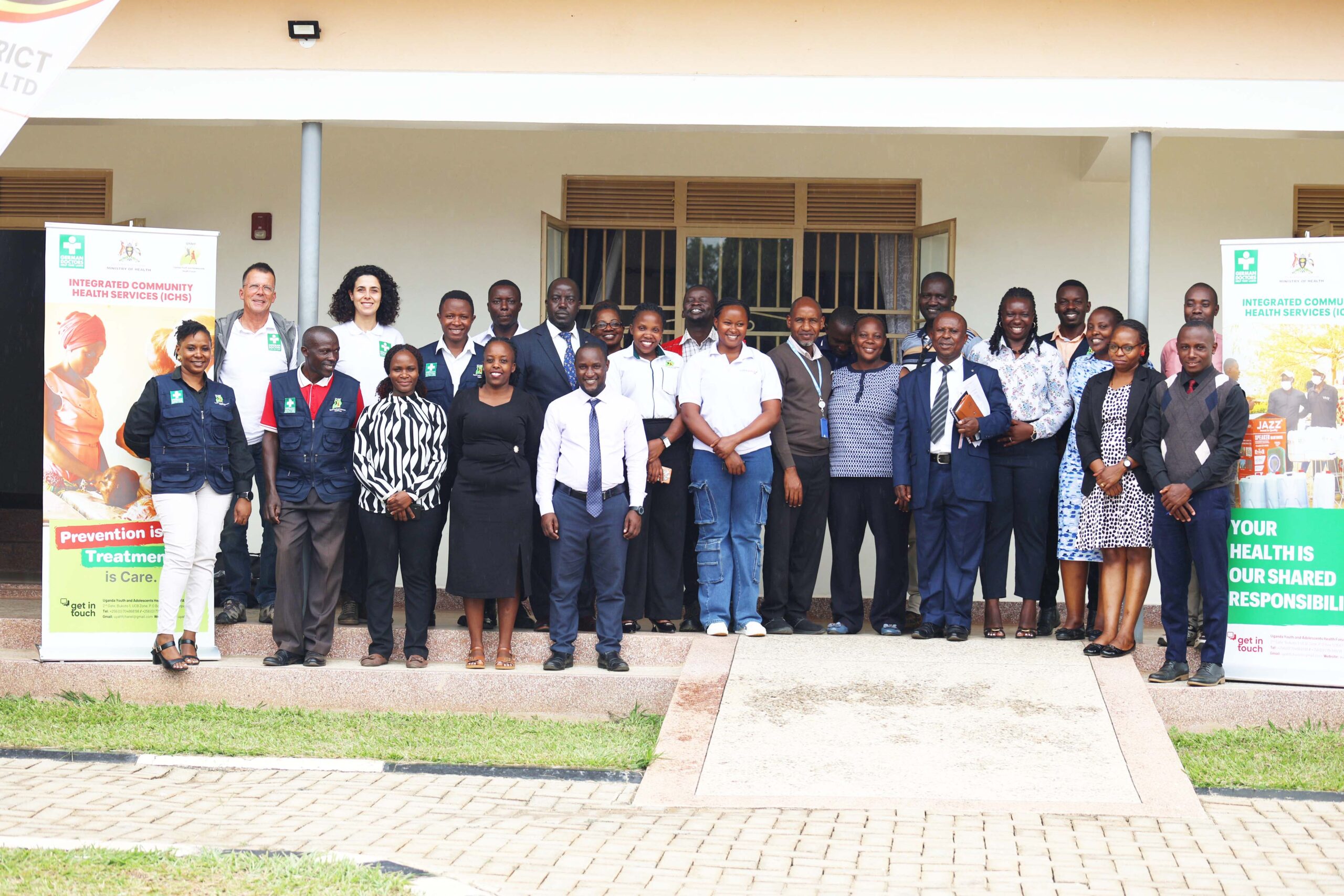
 INCEPTION MEETING: UYAHF convenes stakeholders to strengthen integrated Maternal, Child and Community Health Services in Nakivale.
On 11 November 2026, the Uganda Youth and Adolescents Health Forum (UYAHF), in partnership with German Doctors, convened a stakeholder inception meeting for the Integrated Community Health Services (ICHS) Project in Nakivale Refugee Settlement. The meeting brought together district leadership, the Office of the Prime Minister (OPM), humanitarian partners, health facility representatives, community structures, and development partners to establish a shared understanding of the project and strengthen coordination for effective implementation.
The meeting was attended by the Assistant Chief Administrative Officer (CAO), Mr. Abaine Jonnes; Assistant District Health Officer (ADHO) for Maternal and Child Health, Mr. Mutungi Amos; representatives from UNHCR, Save the Children, IsraAid, NRC and MTI; district technical officers; Ruhoko and Rubondo health facility in-charges; VHT coordinators, translators and the OPM Health Focal Person, among other stakeholders.
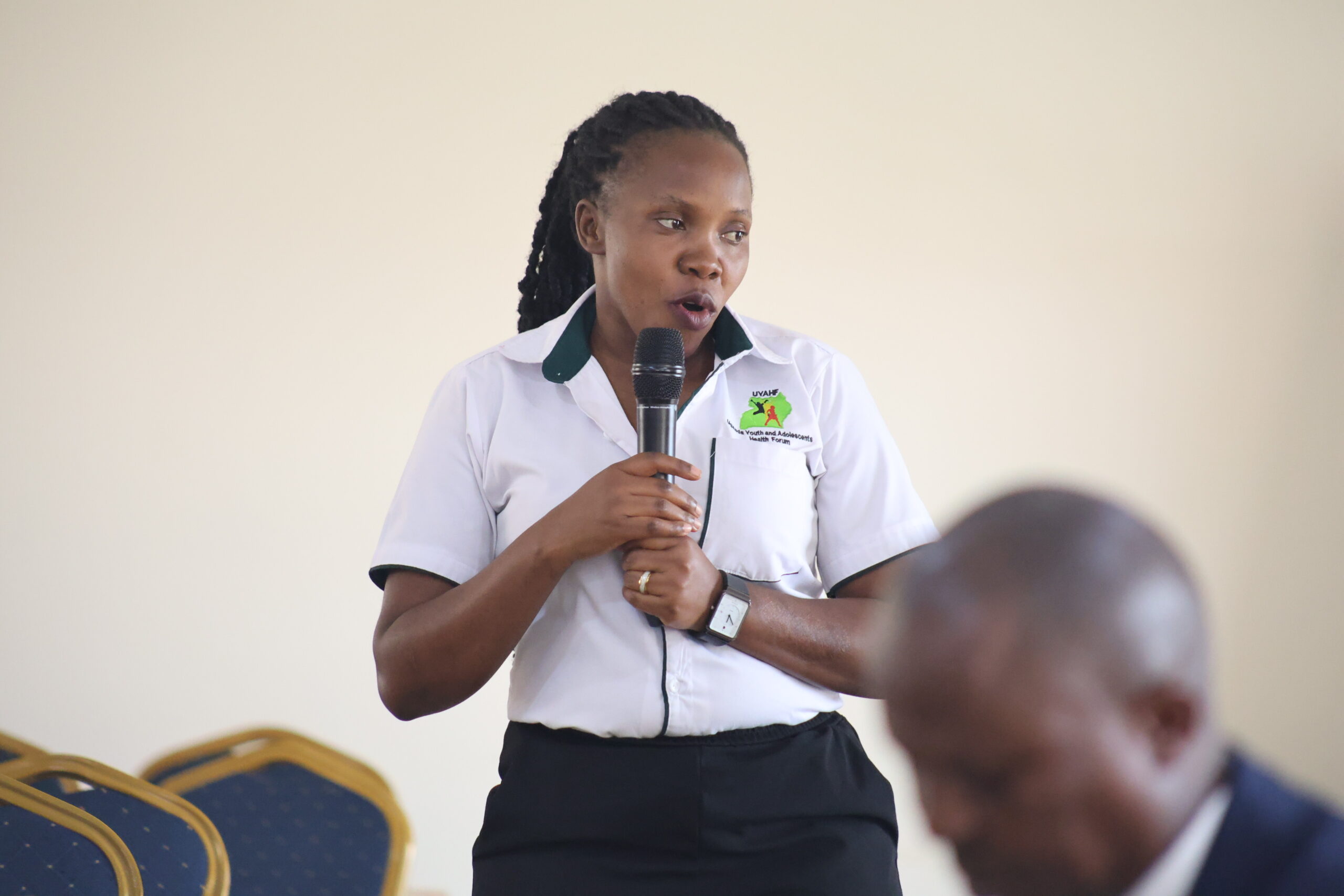
In her opening remarks, Joyce Nakato, UYAHF Team Leader, welcomed participants and highlighted the importance of collective engagement in addressing health challenges affecting refugee and host communities. Praise Mwesiga, the Programmes Manager, subsequently presented UYAHF’s mandate. At the same time, David Kukyana, the ICHS Project Coordinator, introduced the project, outlining its objective of improving access, utilisation and quality of maternal, child and community health services in Nakivale through strengthened health facilities, integrated counselling, community outreach, revitalised Village Health Team (VHT) networks and continuous capacity building. He also presented the baseline assessment findings, which highlighted the need to strengthen maternal and child health services, improve adolescent and youth-responsive health interventions, enhance community-level health promotion and disease prevention, build health-worker capacity, strengthen referral systems and continuity of care, improve coordination between health facilities, VHTs and community structures, and address cultural and language barriers affecting access to healthcare.
The meeting adopted a participatory and evidence-based methodology, combining project presentations, baseline findings, stakeholder feedback and plenary question-and-answer sessions. Participants actively examined the proposed interventions, shared institutional experiences and provided recommendations to strengthen project relevance and implementation.
The Assistant CAO, Mr. Abaine Jonnes, welcomed the initiative and appreciated the partners’ participation. He observed that the project addressed important areas of cultural and belief-related differences, psychosocial trauma and general health needs among refugee and host communities. He further encouraged the integration of psychosocial support into general health interventions and called for joint monitoring by implementing partners and relevant government structures. He also introduced the newly appointed CAO, Mr. Paul Aliau, who had assumed office on 6 November 2026.
Representing OPM, Ms. Charli reported that the refugee population stood at 288,106 as of 11 November 2026. She emphasised the importance of partner coordination, consistent attendance at coordination meetings, and collaboration with existing settlement structures. She also highlighted the linguistic diversity of the refugee population, noting the presence of approximately 13 languages, which makes interpretation and culturally appropriate community engagement important in improving access to healthcare. OPM reaffirmed its support for UYAHF and introduced Ms. Justina Gonza as the Health Focal Person.
These discussions took place against a background of challenges that can make accessing healthcare difficult for refugees and host communities in Nakivale. The settlement’s geographical size and growing population, transportation difficulties, limited household resources, and pressure on health workers can affect access to timely health services. Language and cultural differences can also create barriers to communication between patients and health workers. In addition, inadequate water and sanitation present public-health concerns, including the risk of communicable disease outbreaks. Women, children, adolescents, persons with disabilities, and people experiencing trauma may face further barriers when seeking appropriate and quality care.
The question-and-answer session generated several practical recommendations to guide implementation. The ADHO for Maternal and Child Health, Mr. Mutungi Amos, called for consideration of a wider geographical scope beyond Ruhoko and Rubondo to reach more communities. The ADHO for Environment emphasised the need to restore and strengthen DICAHS, an issue identified for further engagement with the relevant district structures. Participants also discussed a proposed 70:30 refugee-to-host-community intervention balance, highlighting the importance of ensuring that both populations benefit from project activities.
Adolescent health was another key area of discussion. Participants raised concerns about the high number of pregnancies reported in Nyakitunda and called for interventions that respond better to the health needs of young people. These included establishing and strengthening youth-responsive service spaces, building health workers’ capacity to provide adolescent-friendly care, promoting person-centred approaches and improving access to sexual and reproductive health information and services. Participants also recommended developing indicators to monitor progress in adolescent health outcomes.
The Probation and Welfare Office emphasised the need to make project interventions accessible to persons with disabilities, including through inclusive health service delivery, community mobilisation and referral arrangements. The District Health Educator, meanwhile, called for improved health information management through accurate facility records, effective use of electronic registers and timely reporting at facility, district and national levels.
Ruhoko Health Facility In-charge, Nickson Muhangi, highlighted the contribution of German Doctors’ support to service delivery and the need for continuity of that support, particularly given the structural and operational challenges facing health facilities. He also pointed to the need for essential medical equipment to strengthen service provision. Other contributions emphasised teamwork, appropriate patient-to-health-worker ratios, community-based prevention and stronger partnerships. Wency Ayebazibwe, UNHCR Team Lead for the Western Region, particularly underscored the importance of taking preventive health interventions closer to communities and strengthening collaboration among partners.
Importantly, the meeting translated these discussions into practical implementation priorities. UYAHF and OPM committed to continued coordination, while UYAHF and the ADHO for Maternal and Child Health would explore the feasibility of expanding project coverage beyond Ruhoko and Rubondo during the first-quarter implementation review. Other priorities included strengthening referral and reporting mechanisms, improving the use of electronic registers, involving VHTs and translators in community mobilisation and patient follow-up, and establishing joint monitoring arrangements. Stakeholders also called for continued participation in district and settlement coordination meetings to strengthen information sharing and minimise duplication of interventions.
The inception meeting was therefore an important step in establishing a coordinated and transparent foundation for implementation. It provided an opportunity to clarify institutional responsibilities, strengthen referral pathways, improve information sharing and ensure that project interventions respond to the health needs of refugee and host communities.
At the conclusion of the meeting, Mr. Abaine Jonnes, Acting Principal Assistant Secretary and Assistant CAO, officially launched the Integrated Community Health Service Project, signalling district-level support for its implementation. He reiterated the importance of collaboration, joint monitoring, and integrating psychosocial support into broader health interventions.
Overall, the inception meeting established a shared understanding of the project, secured institutional goodwill, identified implementation priorities, and strengthened opportunities for collaboration among the participating stakeholders. It provided a foundation for the coordinated delivery of inclusive and responsive maternal, child, and community health services for refugee and host communities in Nakivale.
